


Where should I mount the sensors for my fixed-point gas detection system?
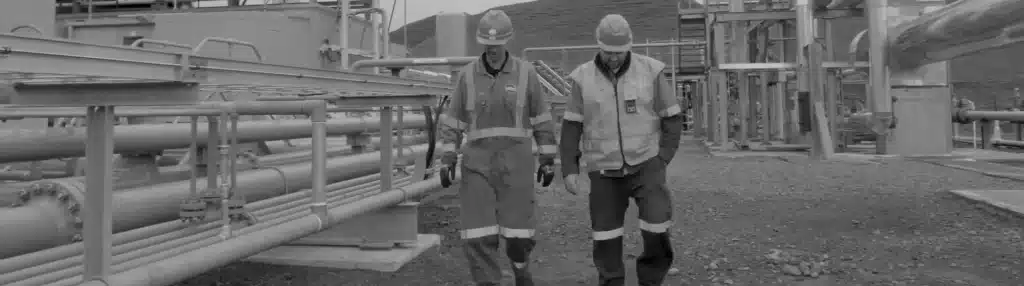

The purpose of installing a fixed-point gas detection system is to detect the presence of harmful or potentially harmful gases in the environment before they reach a dangerous level – either through toxicity or flammability.
Gas Behaviour Determines Sensor Height
Gases behave differently depending on their density relative to air. This directly affects how high or low your sensors should be installed.
Gases Heavier Than Air
These gases sink and accumulate toward ground level.
Recommended Sensor Height:
➡ 300 mm to 500 mm above the floor
Examples of heavier-than-air gases:
- Chlorine (Cl₂)
- Hydrogen chloride (HCl)
- Propane, butane, LPG
These gases can pool in low areas such as pits, trenches, basements, and enclosed plant rooms. Sensors should be positioned where gas is likely to settle first.
Gases Lighter Than Air
These gases rise and accumulate closer to ceiling height.
Recommended Sensor Height:
➡ High on the wall or near the ceiling
Examples of lighter-than-air gases:
- Acetylene
- Ammonia (NH₃)
- Carbon monoxide (CO)
- Hydrogen (H₂)
- Methane (CH₄)
- Natural gas
These gases travel upward and may collect near ceilings, roof spaces, or around overhead pipework.
Consider People, Ventilation, and Escape Routes
Gas behaviour isn’t the only factor. When positioning sensors, you should also consider:
Where people normally work or pass through
Sensors should detect gas before workers are exposed.
Ventilation and airflow patterns
Fans, ducts, open doors and extraction systems can redirect or dilute gas.
Sensors must be placed where leaked gas is realistically going to travel.
Escape paths and muster areas
Gas levels should be detected early enough for safe evacuation.
Possible leak points
Sensors should be near:
- valves
- joints
- flanges
- compressors
- storage cylinders
- process equipment
The closer to likely leak sources, the faster the detection.
There Is No One-Size-Fits-All Placement
Every facility, plant, or industrial environment is different.
Sensor placement depends on:
- gas type
- equipment layout
- room size and airflow
- temperature and pressure changes
- confined spaces
- human traffic patterns
- operational hazards
Getting it wrong can compromise detection. That’s why gas detection experts always recommend conducting a site-specific assessment.
Need Advice on Your System?
If you’re unsure about:
- whether your sensors are in the right place
- whether you’re covering all leak points
- how different gases move through your facility
- designing or upgrading a fixed-point gas detection system
…professional guidance is essential.
Expert technicians can assess your site and recommend the correct:
- number of sensors
- placement height
- spacing
- mounting locations
- system configuration
This ensures early detection, worker protection, and WorkSafe NZ compliance.
Installing a New Fixed Gas Detection System?
If you’re planning a new installation, our gas specialists can help with:
- system design
- sensor selection
- layout and placement
- certified installation
- commissioning
- ongoing service and calibration
This ensures the system performs reliably throughout its lifespan.
New fixed-point gas detection system…
If you are looking at installing a new fixed-point gas detection system, we specialise in fixed gas detector systems. We can help you develop the specification, design the system, and quote on supply and installation. Click here to Contact Us »