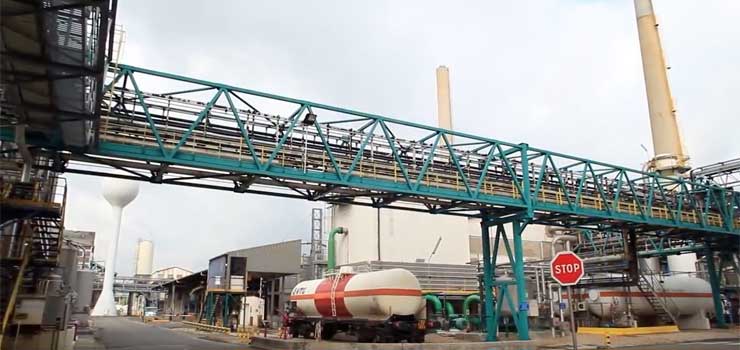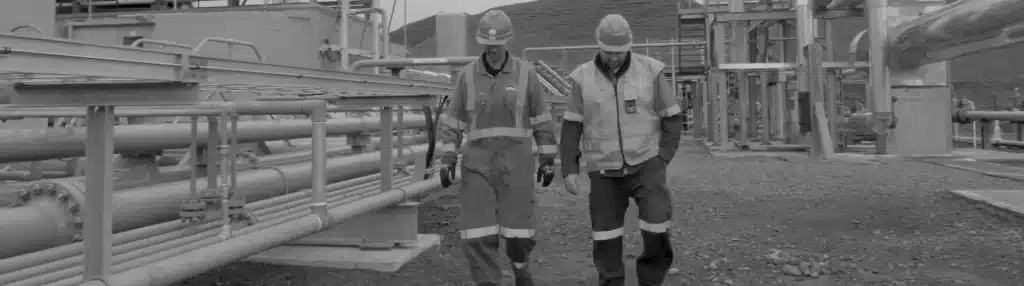

In this Ask John we explain confined spaces and the lurking hazards. Then we answer the question… Why use gas detectors when working in confined spaces? Confined space definition… “An enclosed or partially enclosed space that is not intended or designed primarily for human occupancy. It is liable to have an atmosphere that contains harmful […]

Fixed gas detection systems and how to achieve peace-of-mind
If you have a fixed gas detection system installed at your site, Entec helps you achieve peace-of-mind by offering routine on-site service and calibration.
A fixed gas detection system is a critical part of your site’s safety infrastructure. It should not be regarded as fit-and-forget. Instead, a …
Why do I need to calibrate my gas detector, especially when it’s fairly new?
Gas detectors use sensors to measure the levels of target gases. Why calibrate new sensors? Sensor performance is prone to drift over time and with exposure to gaseous environments. That’s why you need to calibrate them regularly – to ensure the sensors are working accurately. What does the calibration process involve? Calibration involves testing the […]
iNet Control takes gas detection management into the cloud
iNet Control is a cloud management system for your portable gas detector fleet. Industrial Scientific designed it to be powerful, painless & cost-effective. Industrial Scientific’s mission is: “Preserving human life on, above and below the earth”. But selling the world’s best gas detection systems is pointless if
Ventis Pro Series Multi-Gas Detectors Introduced To NZ By Entec
As the most configurable personal multi-gas detectors available, new Ventis Pro Series 4-gas & 5-gas portable gas detectors raise the bar on worker safety. Gas Detectors NZ, a division of Entec, announces the introduction of Industrial Scientific’s Ventis Pro™ Series of 4-gas and 5-gas portable gas detectors to the New Zealand market.
Why do I see negative readings on my gas monitor?
All electrochemical or catalytic gas monitor sensors can be prone to both positive and negative drift due to environmental factors such as changes in temperature and humidity. However these are not the most common causes of negative readings. Negative sensor readings more commonly occur when
How often should you change gas detector sensors?
I have frequently been asked: “How often should you change gas detector sensors?” The answer to this question is really quite simple.
Does the type of sample tubing I use make a difference?
The type of sample tubing you use in conjunction with your gas monitor in remote sample applications and even during calibration can have a very pronounced effect on the gas readings that you obtain. Not all sample tubing is created equal. Certain types of tubing will react with certain gases and therefore negatively impact the accuracy […]
What is zeroing a gas monitor? And do I need to zero it every time I use it?
Lately I have been asked a number of questions regarding whether or not it is necessary to “zero” a portable gas monitor each time it is turned on for use. It’s actually a great question, so what is zeroing a gas monitor?